
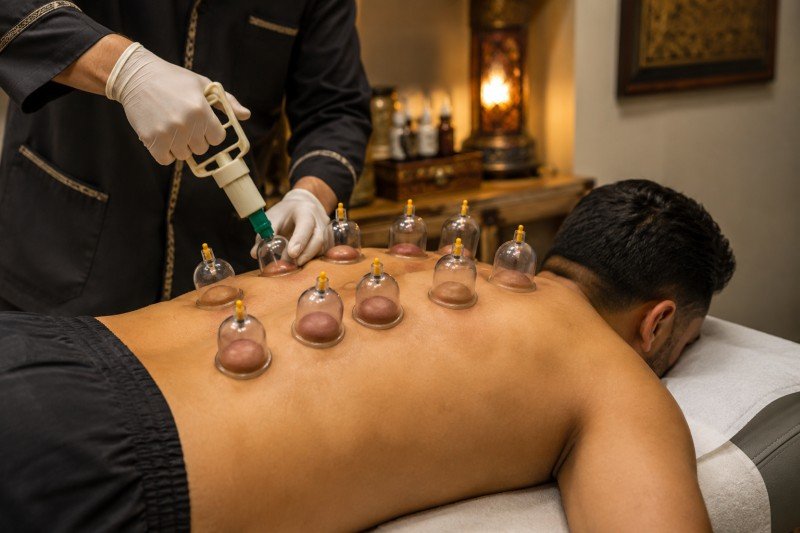
Cupping therapy (Hijama) is a traditional therapeutic practice performed by creating a vacuum effect on the skin using specially designed cups. This method is used to support blood circulation, stimulate the body's natural processes, and help maintain balanced energy flow.
With a history spanning thousands of years, cupping therapy continues to be used today as a complementary and supportive wellness practice.
What Are the Benefits of Hijama?
Hijama may support the following areas:
Pain Management
It may help provide relief from muscle and joint pain, headaches, and migraines.
Support for Blood Circulation
It may contribute to improved oxygenation of tissues by enhancing superficial blood circulation.
Support for Toxin Elimination
It may support the body's natural detoxification processes.
Reduction of Muscle Tension
It may help alleviate muscle spasms and tension, promoting relaxation.
Support for the Immune System
It may contribute to supporting the body's natural defense mechanisms.
Reduction of Stress and Anxiety
By promoting physical and mental relaxation, it may help reduce stress levels.
Support for Digestive Health
It may contribute to relieving symptoms associated with certain digestive discomforts.
Support for Skin Health
By increasing blood circulation, it may help improve skin appearance and vitality.
Support for Hormonal Balance
It may assist in supporting the body's natural balancing mechanisms.
General Detox Support
It may contribute to the body's natural cleansing processes.
Considerations Before and After Hijama
Hijama is generally considered safe when performed by trained healthcare professionals. However, it may not be suitable for everyone.
Who Should Avoid Hijama?
Professional medical advice should be sought in the following cases:
- Pregnancy
- Individuals over 65 years of age
- Anemia
- Hemophilia and other bleeding disorders
- Cardiovascular diseases
- Eczema and psoriasis
- Epilepsy
- Individuals with pacemakers
- Individuals with a history of stroke
Recommendations Before Treatment
- It may be advisable to stop eating 2–3 hours before the procedure or consume only a light meal.
- A light diet low in protein for 1–2 days before and after treatment may be recommended.
- Adequate water intake is encouraged.
Recommendations After Treatment
- Avoid showering for 24 hours after the procedure.
- Keep the treatment area clean.
- Avoid strenuous physical activities on the day of the treatment.
Possible Side Effects
Hijama is generally not considered a painful procedure. However, some individuals may experience:
- Mild redness
- Bruising or temporary marks
- Temporary muscle tenderness
- Headache
- Nausea
- Itching sensation
These effects typically resolve on their own within a few days.
In rare cases, a temporary drop in blood pressure, decreased heart rate, or fainting may occur. If any of these symptoms develop, a healthcare professional should be informed.
The Importance of Safe Practice
For cupping therapy to be performed safely, it is essential that the procedure is carried out by trained and certified practitioners. Proper sterilization of cups and equipment is crucial to help prevent infections and the transmission of blood-borne diseases.
Conclusion
Hijama (cupping therapy) is one of the traditional complementary practices that continues to be widely used today. The suitability of the treatment should always be evaluated on an individual basis, and professional medical advice should be sought whenever necessary.